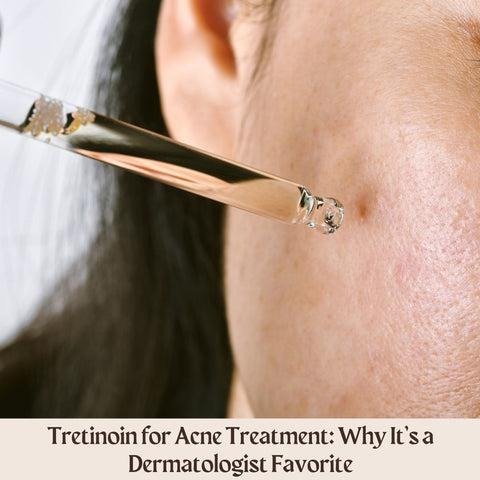
Tretinoin 0.1% cream is one of the strongest commonly prescribed topical retinoid formulations used in dermatology for acne, clogged pores, uneven skin texture, and long-term skin renewal. As a derivative of vitamin A, tretinoin works at the cellular level to regulate skin turnover and normalize pore function.
Compared to lower strengths such as 0.025% or 0.05%, the 0.1% concentration is generally considered a more intensive treatment option and is often used in patients who already have experience with retinoids or require stronger therapeutic activity.
What Tretinoin 0.1% Cream Is Used For
High-strength tretinoin cream is commonly prescribed for:
- Moderate to severe acne
- Persistent comedonal acne
- Rough or uneven skin texture
- Post-acne marks and discoloration
- Photoaging and fine lines
- Chronic pore congestion
Tretinoin is considered one of the most clinically studied topical dermatology treatments because it addresses several underlying mechanisms involved in acne and skin aging simultaneously.
For a detailed overview of strengths, application methods, and treatment expectations, see this guide on how Tretinoin 0.1% cream is used for acne and skin renewal treatment:
tretinoin 0.1% cream treatment guide
How Tretinoin Works Inside the Skin
Tretinoin primarily works by accelerating epidermal cell turnover and preventing abnormal accumulation of dead skin cells inside pores.
Its effects may include:
- Prevention of clogged pores
- Reduction of blackheads and whiteheads
- Increased exfoliation
- Improvement in skin texture
- Support of collagen remodeling over time
Unlike products that only dry out pimples temporarily, tretinoin targets the formation of acne lesions at an earlier stage.
Because of this mechanism, dermatologists often use tretinoin as a foundational long-term acne therapy rather than a short-term spot treatment.
Why Higher Strengths Like 0.1% Are Used
The 0.1% concentration may be recommended when:
- Lower strengths produce insufficient improvement
- Acne is persistent or resistant
- Significant pore congestion is present
- Stronger retinoid activity is required
Higher strengths may provide:
- More aggressive cellular turnover
- Faster comedone reduction
- Stronger exfoliative effects
However, stronger concentrations may also increase the risk of irritation, especially during the early adjustment phase.
For this reason, tretinoin 0.1% cream is often introduced gradually.
The Retinoid Adjustment Period (“Retinization”)
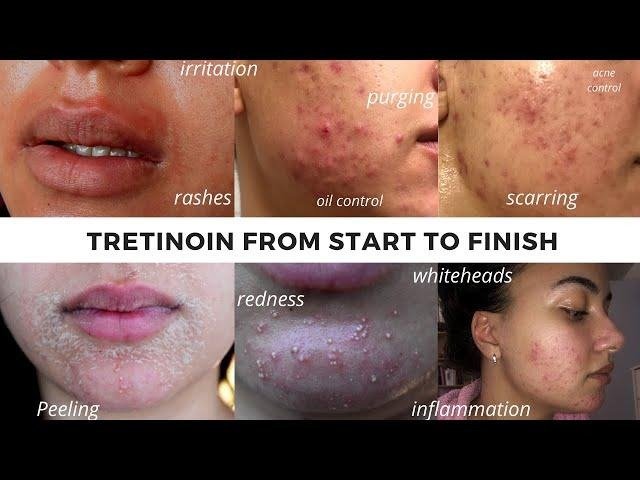
One of the most important aspects of tretinoin therapy is understanding the adjustment phase commonly known as retinization.
During early treatment, patients may experience:
- Dryness
- Peeling
- Redness
- Tightness
- Temporary acne flare-ups
This occurs because skin turnover accelerates rapidly during the first weeks of treatment.
In many cases:
- Existing microcomedones surface more quickly
- The skin barrier temporarily becomes more sensitive
- Visible irritation appears before stabilization develops
This adjustment period is extremely common and does not necessarily mean the treatment is failing.
Proper Application Guidelines
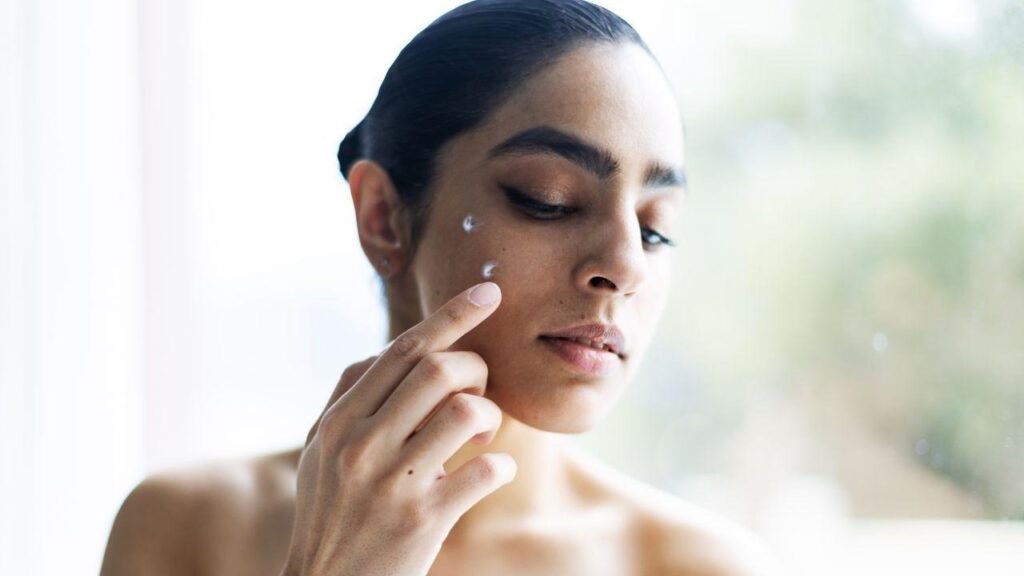
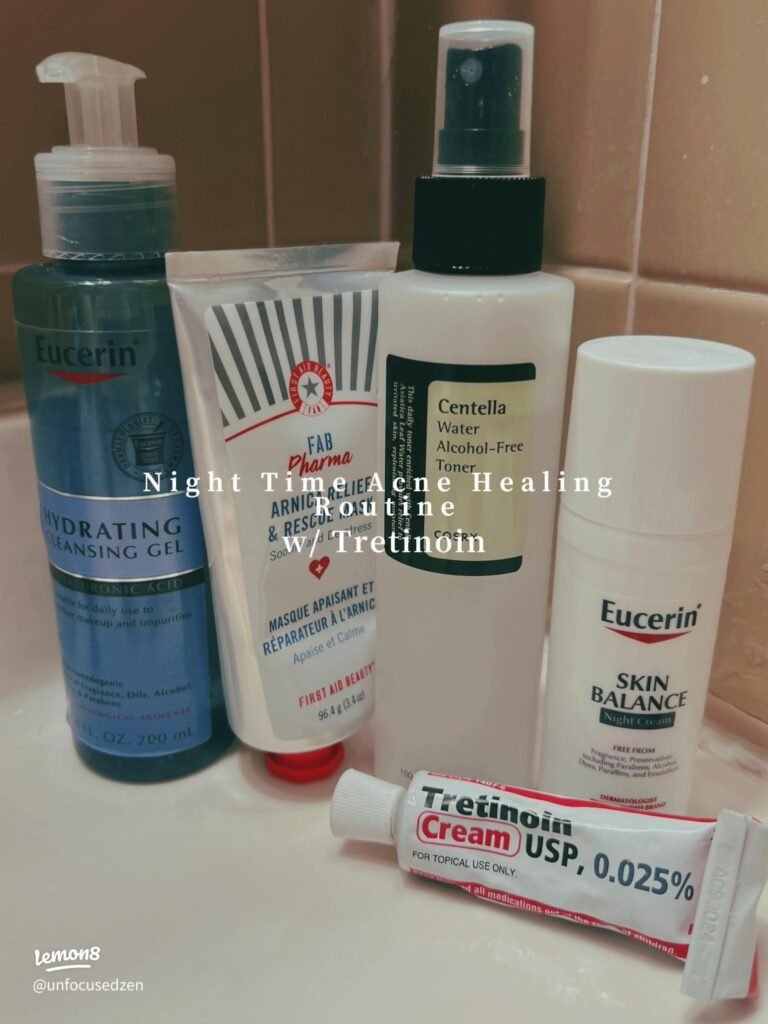
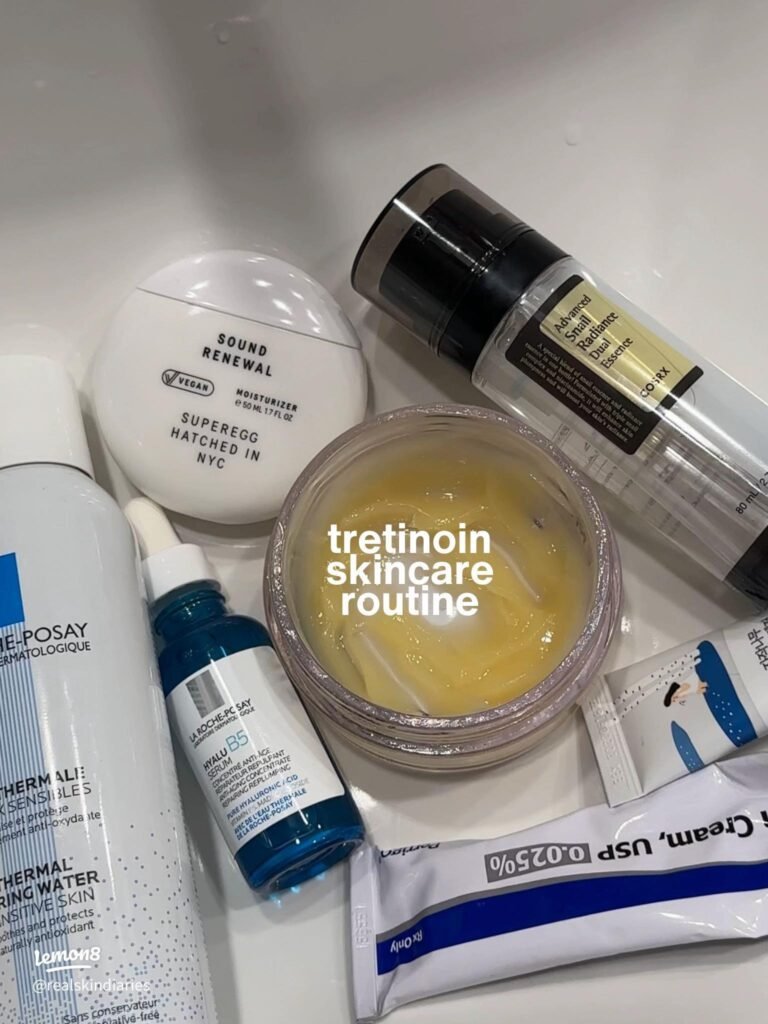
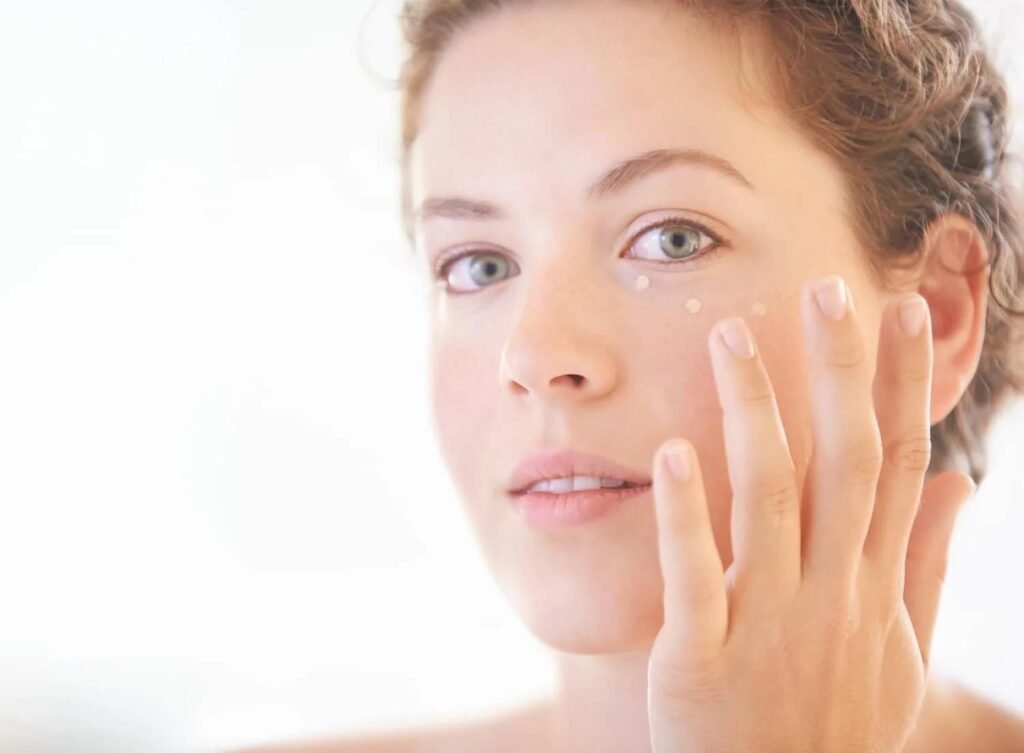
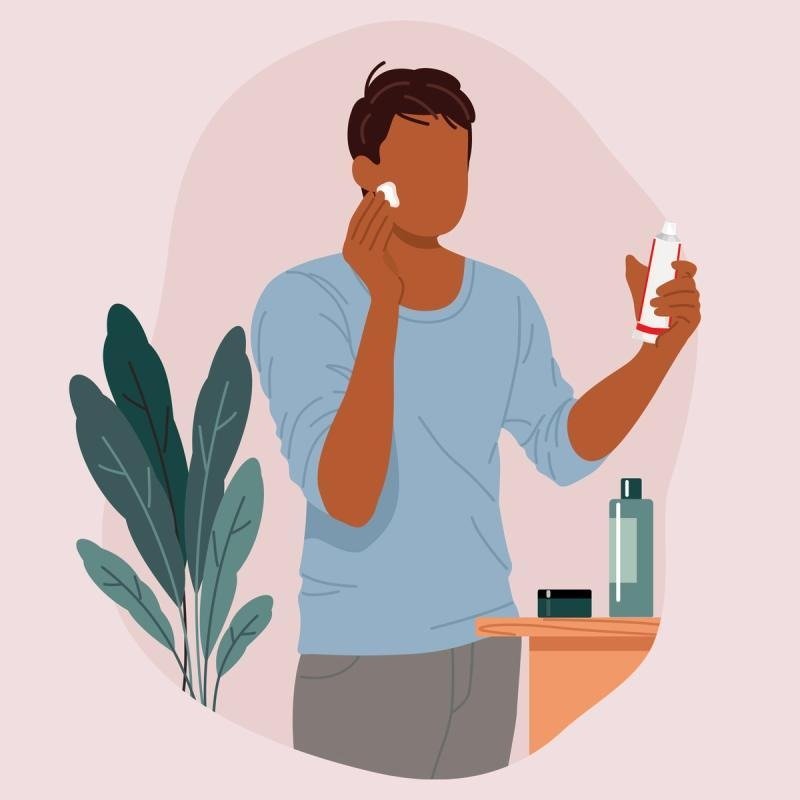
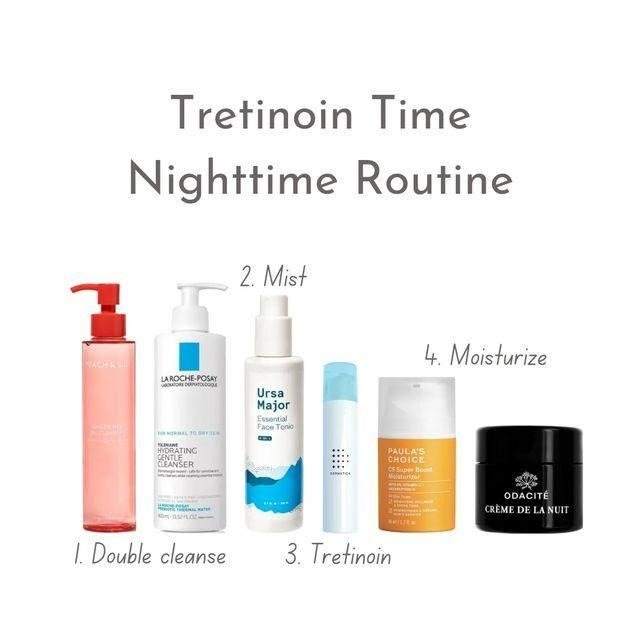
Correct application is critical for improving tolerability and reducing irritation.
Typical recommendations include:
- Apply once daily at night
- Use only a pea-sized amount
- Apply to completely dry skin
- Avoid excessive layering
Many dermatologists recommend starting:
- Every other night initially
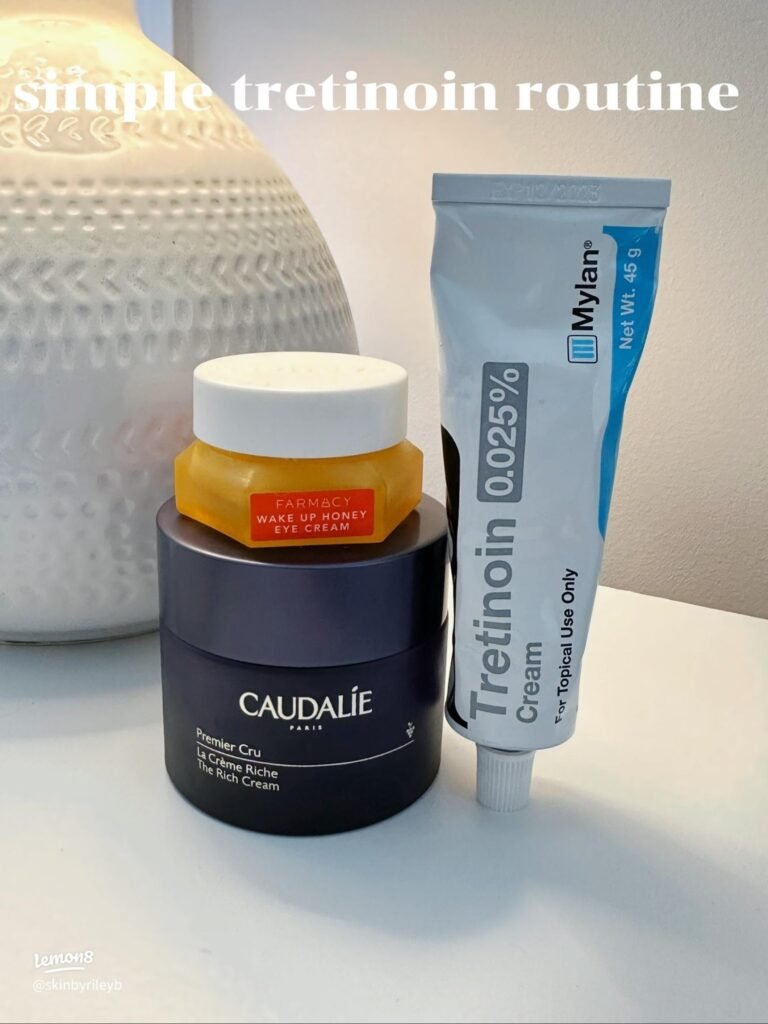
- With moisturizer support
- Alongside gentle cleansers
Using too much tretinoin often increases irritation without improving results faster.
Importance of Sun Protection
Tretinoin significantly increases photosensitivity.
Without sunscreen:
- Irritation may worsen
- Hyperpigmentation risk increases
- Skin barrier recovery becomes more difficult
Daily broad-spectrum SPF protection is considered essential during tretinoin therapy.
Sun exposure can also worsen post-inflammatory pigmentation and reduce treatment progress.
Long-Term Benefits Beyond Acne
Although tretinoin is best known for acne management, long-term use may also improve:
- Fine lines
- Uneven texture
- Pigmentation irregularities
- Early photoaging changes
- Overall skin smoothness
These improvements occur gradually through collagen stimulation and epidermal remodeling.
Because collagen turnover is slow, these effects often require months of consistent treatment.
Combination Therapy in Dermatology
Tretinoin is frequently combined with:
- Benzoyl peroxide
- Azelaic acid
- Hydroquinone
- Topical antibiotics
- Barrier-repair moisturizers
Combination approaches are common because acne and pigmentation disorders often involve:
- Inflammation
- Excess oil production
- Abnormal keratinization
- Pigment dysregulation
However, combining multiple strong actives without proper guidance may increase irritation risk.
Possible Side Effects
Common side effects include:
- Dryness
- Peeling
- Burning sensation
- Temporary redness
- Increased sensitivity
Most side effects improve with:
- Gradual introduction
- Proper moisturization
- Reduced frequency when needed
Severe irritation is more likely when tretinoin is overused or combined aggressively with other exfoliating products.
Long-Term Expectations
Patients should understand that tretinoin is a gradual treatment.
Visible improvement usually develops over time:
- Early irritation may appear first
- Acne reduction often takes several weeks
- Texture improvements may continue for months
Long-term consistency is usually far more important than aggressive short-term application.
Clinical Information
For medically reviewed information on tretinoin and topical retinoid therapy, see this clinical overview of tretinoin mechanism and safety:
tretinoin topical therapy clinical overview
Conclusion
Tretinoin 0.1% cream is a high-strength retinoid therapy designed for patients requiring intensive acne and skin renewal treatment. By increasing cellular turnover and improving pore function, it addresses several underlying mechanisms involved in acne formation and texture irregularities.
When introduced carefully and used consistently with proper sun protection, tretinoin therapy can provide major long-term improvements in acne control, skin clarity, and overall skin texture.