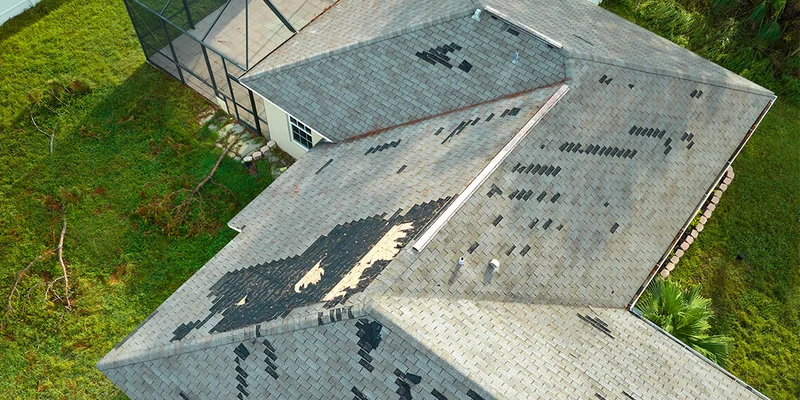
Most homeowners do not think much about roof seams until a stain appears on the ceiling or water starts showing up after a storm. By that point, the issue has usually been building for a while. For anyone looking into roof repair eagle mountain, it helps to understand that seam damage is rarely just a surface problem. A seam is one of the places where the roof depends on multiple materials working together, and once that connection weakens, moisture can easily get in.
What makes seam damage frustrating is how ordinary it can look at first. A small separation may not stand out from the ground. It may not even cause an obvious leak right away. But even a narrow opening can let in enough water to affect the layers below the shingles. Once that process starts, the damage often grows quietly, spreading farther than most people expect.
Why Seams Matter
Roof seams do more work than people realize. They help connect sections of roofing material and guide water away before it can slip beneath the surface. When those seams stay tight, water keeps moving off the roof the way it should. When they begin to loosen, crack, or separate, that flow changes.
The problem is not only the gap itself. The bigger issue is what happens after water reaches the materials under the outer surface. The roof deck can absorb moisture. Underlayment can stay damp longer than it should. Fasteners can begin to loosen as the surrounding material softens. What started as a small weakness at one seam can slowly affect a much wider area.
Small Entry, Bigger Spread
One reason water damage around seams gets worse over time is that moisture rarely stays where it first enters. Water can move along the roof deck, follow framing, or collect near other weak points before it becomes visible indoors. That is why a ceiling stain does not always sit directly below the true source of the problem.
This is also why delays are so expensive. If a seam issue is caught early, the repair may stay limited to one section. If it is left alone through repeated rain, heat, and drying cycles, the affected area may expand. Instead of replacing one worn detail, the repair may involve shingles, underlayment, decking, and nearby trim. The visible opening may still look small, but the hidden damage underneath can be much more extensive.
Moisture Does Not Dry Quickly
After a storm, it is easy to look at the roof, see that everything has dried off, and assume the issue is gone. But water does not always leave that quickly. Once it slips beneath the shingles, it can stay trapped in the layers below, especially in spots where air does not move well. The surface may look dry while the materials underneath are still holding moisture.
That is where the problem starts to grow. Wood can stay damp longer than people expect. Sealant can wear out faster. The roofing around the seam may start to shift a little or stop sitting as tightly as it should. None of that has to happen all at once. It usually builds slowly, with one storm after another, until the same area keeps leaking and the repair is no longer simple.
Stress Builds Over Time
A failing seam usually is not the result of one big event. It is more often the effect of repeated strain. Heat and cold make roofing materials move. Wind pulls at exposed areas. Sealant dries out with age. Seasons pass, and the roof does not respond the way it did when everything was newer and tighter.
That is why these problems are easy to brush off at first. The roof may still look fine from the yard. There may be no major leak yet. But if one seam has started to open up, the stress keeps landing in the same place. Over time, that weak area becomes less reliable, and the materials around it start to wear down too.
That is one reason roof repair eagle mountain often ends up being less about a single visible seam and more about how that failed seam changed the performance of everything around it.
Signs Worth Taking Seriously
The earliest clues are often subtle. A faint ceiling mark, peeling paint near the upper wall, a musty smell in the attic, or insulation that feels damp can all point back to a seam issue. Outside, there may be shingles that look slightly lifted, worn areas where materials meet, or sections that no longer sit flat.
None of these signs should be brushed off just because the leak seems small or inconsistent. Water damage often appears in stages. First, there is a minor entry point. Then moisture spreads into nearby materials. After that, the signs inside the home begin to show. Waiting until the symptom becomes obvious usually means the repair has already grown.
Why Early Repair Matters
The real value of early repair is not just stopping the current leak. It is preventing the spread. Once water reaches the inner layers of the roof, the repair becomes less predictable and more disruptive. Costs rise because the work may involve materials the homeowner never expected to replace.
Early attention gives a roofer a better chance to isolate the damaged seam, inspect the surrounding area, and fix the weakness before moisture moves farther. That kind of repair is usually more focused and more effective. It also helps protect the structure below the roof, including insulation, framing, and interior finishes.
Conclusion
Water damage around roof seams gets worse over time because roofs do not fail all at once. They weaken in layers. A small seam issue can let in moisture little by little, and that moisture keeps working below the surface long before the problem becomes obvious inside the home. By the time a stain appears or a drip starts, the damage may already extend beyond the original opening.
That is why seam problems deserve attention early. The sooner the weak point is found, the better the chance of keeping the repair limited and protecting the rest of the roof system.